Golf in the Philippines: How to create the Perfect Golf Tour

Boasting over 150 courses scattered across its islands, the Philippines has quietly become one of Southeast Asia’s most compelling golfing destinations. The archipelago offers an incredible variety of playing conditions, pairing championship-level layouts with dramatic tropical backdrops, from coastal cliffs to volcanic highlands. Yet, piecing together a seamless itinerary across an island nation can feel overwhelming if you aren’t familiar with local logistics, seasonal weather, or which resorts offer the best proximity to the fairways. This guide simplifies the planning process, mapping out the premier regions to visit, top-tier accommodations, and essential travel tips to help you build an unforgettable golf trip.
Planning a perfect Philippines golf tour
Researching for golf courses
If you are planning a golf trip to the Philippines, you need to do some homework on the courses before booking anything. The quality of layout, maintenance, and club facilities varies wildly across the islands. Taking the time to look into the details keeps you from booking a course that is either way too brutal for your handicap or severely neglected by groundkeepers.
Start by checking recent reviews on regional golf forums rather than just looking at the resort brochures. Local golf groups and expat forums are goldmines for finding out which clubs keep their greens in top shape and which ones get sluggish during the rainy season. Once you have a shortlist of the tracks you actually want to play, you can lock in your tee times and build the rest of your travel itinerary around them.

Mimosa Golf Course
Planning your own itinerary
Once you know which courses you want to play, it is time to look at a map. Because the Philippines is spread across thousands of islands, travel logistics can get complicated quickly. If you do not plan your route around local transit realities, you risk wasting half your vacation sitting in highway traffic or waiting around at domestic airport terminals.
The smartest way to handle this is to plan your itinerary by region. Focus on one major hub at a time, like keeping your first four days in the Clark area to play tracks like Mimosa and Luisita, before moving south of Manila to take on the courses in Cavite or Laguna. Grouping your days this way means you can stay in one hotel longer, unpack your clubs just once, and spend your afternoons relaxing instead of riding in a transit van. It also gives you a better chance to check out the local restaurants, beaches, and sights nearby without being on a frantic, rushed clock.
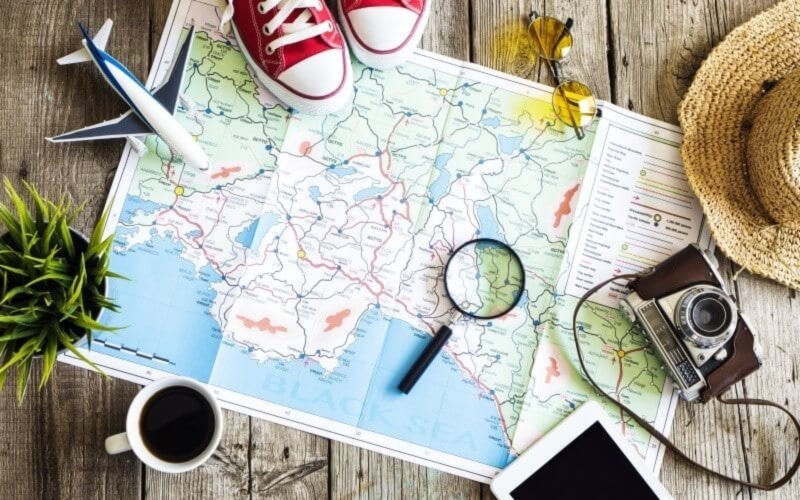
Carefully prepare for an easy-going trip
Book your accommodations in advance
Locking in your rooms early is the easiest way to keep a golf trip smooth. It secures your spot and saves you from scrambling for leftover options when you should be focusing on your game.
If you stay at a resort right on the course, you eliminate travel hassle entirely. It lets you walk straight to an early morning tee time or catch a late-afternoon practice session without ever dealing with local traffic.
If you prefer more nightlife and dining options, staying in the city center is a better bet. Just be sure to arrange your drivers or rental cars before you arrive so a morning traffic jam doesn’t cause you to miss your start. Either way, making your reservations early is the best way to keep the trip stress-free.

Booking your hotel in advance
Considering hiring a local golf guide
If you are new to the Philippines, bringing in a local golf guide or coordinator can save you a massive amount of frustration. Playing golf here is fantastic, but it comes with a distinct set of regional quirks and logistical headaches that can easily throw off a newcomer. A guide does the heavy lifting for you, mapping out your travel days to beat the local traffic, picking the right courses for your playing style, and locking down early morning tee times at the country’s most competitive clubs.
An insider is also invaluable for navigating the unique culture of Filipino golf clubs. The on-course etiquette has its own unwritten rules, from navigating strict club dress codes to understanding how the local caddie and umbrella-girl systems work when the tropical heat hits its peak. Knowing how to handle tips, interact with course staff, and respect local club dynamics changes the entire experience from an intimidating hurdle into a relaxed, smooth day out.
Ultimately, having someone handle the logistics means you can pull up to the clubhouse, focus on your round, and actually enjoy the scenery. If you want to arrange a local guide for your trip or just want a hand setting up your itinerary, drop us a line and we can get it sorted.
Arranging transportation methods
Sorting out how you will get to the course is the one logistical detail that can completely make or break the flow of your trip. When you are trying to hit a tight morning tee time while hauling a massive travel bag, you cannot afford to guess about your ride. Depending on your budget and where you are staying, you generally have to choose between renting a vehicle or booking a private driver.
Renting a car is great if you are confident driving in a new country and want total independence. Booking a vehicle for airport pickup gives you the freedom to explore on your own terms. It is usually the more cost-effective route if you plan on road-tripping between different regions, and it means you can head out for dinner or leave the clubhouse the minute your scorecard is signed without waiting around for a ride.
If the idea of navigating chaotic local traffic or figuring out foreign road signs sounds like a nightmare, just hire a driver. A professional local driver handles the chaotic morning traffic, drops you off directly at the clubhouse bag drop, and eliminates all the stress of directions. You can book them for a simple course transfer, or hire them by the day so you have a guaranteed ride for sightseeing and dinner after the clubs are packed away.
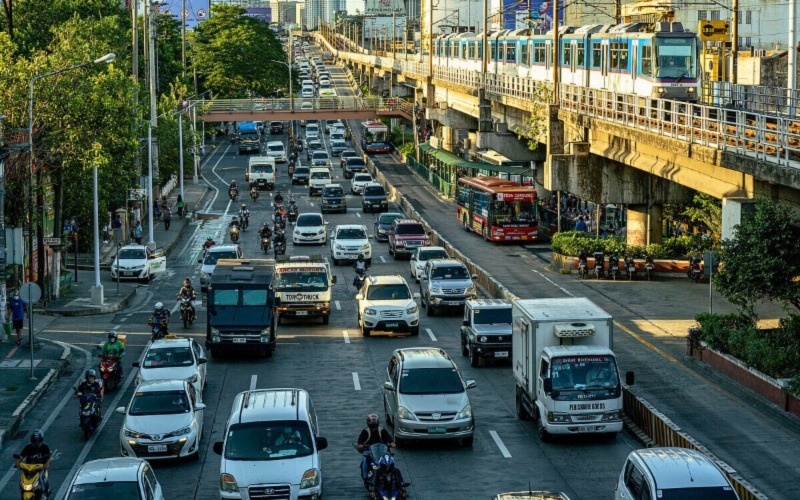
You can lend a car in the Philippines for transportation
Checking weather conditions
As a Southeast Asian nation, the Philippines is prone to typhoons and persistent wet weather. Therefore, it is essential to thoroughly review the weather forecasts before making travel arrangements. In the Philippines, typhoon season normally runs from June to November, with September being the peak month.
Strong winds, torrential rain, flooding, and landslides may occur during this period across the nation, which might affect travel plans and tourism activities. To minimize any hazards, it is advised that you pay attention to local weather updates and advisories and adjust your travel plans appropriately. You can guarantee a secure and pleasurable journey to the Philippines by taking measures and keeping up with the weather forecasts.
>>> Find out when is the best time to golf in the Philippines with our “Philippines weather guide“.
Packing your luggage appropriately
When you are packing for a golf trip to the Philippines, what you wear matters just as much as the clubs you bring. The tropical heat and thick humidity are no joke, so your standard heavy cotton polos aren’t going to cut it. You need technical, breathable fabrics that wick sweat away and keep you cool through a five-hour round. Focus on loose, flexible cuts that let you move freely and won’t bind up across your shoulders mid-swing.
Your shoes also need to be ready for the local terrain. Many regional courses feature wet morning grass or hilly fairways, so you will want a pair with reliable traction and solid support to keep your footing stable on uneven lies. Because a tropical downpour can catch you by surprise, throw a lightweight rain jacket and a few extra pairs of dry socks into your bag. Preparing for the climate ahead of time means you can focus entirely on your game instead of fighting your gear.
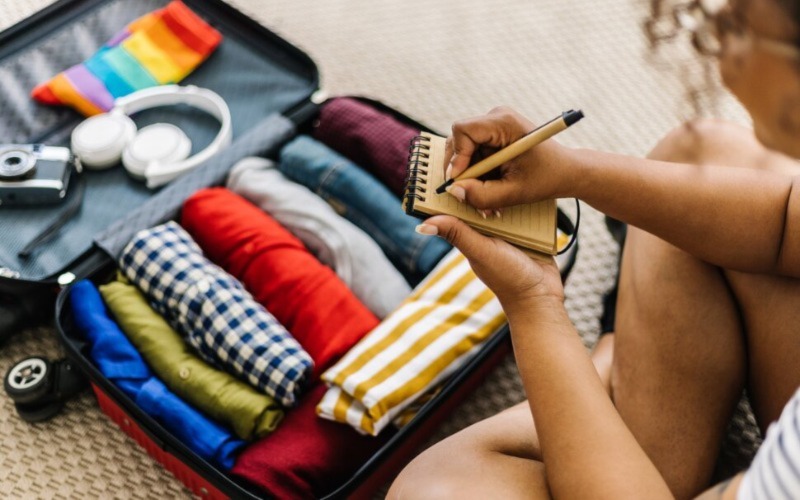
Packing your luggage appropriately
Conclusion
The Philippines is a golfer’s paradise waiting to be discovered with its breathtaking landscape, top-notch courses, and kind people. You may organize a golf tour that will be seamless and unforgettable by paying attention to the advice and recommendations provided in this article. Our team specializes in designing personalized golf excursions that satisfy your particular tastes and requirements. Why wait then? Plan your next golf trip with us, and we’ll assist you in creating the best golfing vacation in the breathtaking Philippines.
Read more:
- Top 5 Reasons to Play Golf in the Philippines
- Top 8 Best Philippines Golf Resorts
- Top 10 Best Golf Courses in the Philippines 2026/2027
FAQs
When is the best time for a Philippines golf tour?
Aim for November through February. This is the sweet spot where the rain has cleared out but the intense summer heat hasn’t hit yet, making it the most comfortable time of year to walk 18 holes. You can still play from March to May, but the heat index spikes, so you will absolutely need to see off before 7:00 AM to beat the midday sun. Jun through October is the monsoon season, which usually means dealing with muddy fairways and afternoon washouts.
How much does a Philippines golf tour cost?
It entirely depends on how you want to travel. You can put together an affordable trip by sticking to municipal courses and local hotels, or you can spend top dollar on high-end golf resorts with private drivers and premium green fees. Just keep in mind that peak season bookings (November to April) automatically drive up the baseline cost for accommodation and prime tee times, while the rainy shoulder months offer the steepest discounts.
How far in advance should I book a Philippines golf tour?
Give yourself a three-to-six-month head start, especially if you want to travel over the winter peak or major holidays. The most popular courses have limited visitor slots, and morning tee times get crowded out quickly by members and corporate events. If you wait until the last minute, you will likely be stuck with less desirable mid-afternoon tee times right when the sun is at its worst.
Which regions are best for a holiday in the Philippines?
It depends on what you want out of the trip:
Manila & Clark: These are the best regions for pure golf volume, featuring dense concentrations of championship courses and excellent nightlife nearby.
Tagaytay: Perfect if you want to escape the thick tropical humidity; the elevation keeps the courses cooler, though the terrain is much more rugged.
Cebu: Best for a proper “stay and play” vacation where you can easily jump from a seaside round straight to a beach resort.